A Practical Guide to Medical Marijuana Edibles: What You Need to Know
When I first tried medical marijuana edibles, I made the classic mistake of eating too much too quickly. A friend had given me a small cannabis brownie, and after waiting only twenty minutes with no effect, I ate another. An hour later I was uncomfortably high, sprawled on the couch with a dry mouth and a sense that time had stopped. That experience taught me something that many people learn the hard way: edibles hit differently than smoking, and they demand a different approach.
Over the years I have worked with patients, caregivers, and product developers to understand how cannabis-infused snacks and other oral products fit into a medical routine. The world of medical marijuana edibles has expanded far beyond the homemade brownie. Today you can find everything from cannabis chocolates and THC gummies to cannabis fruit chews and cannabis-infused baked goods. Each form has its own onset time, duration, and dosing considerations. For someone using cannabis to manage chronic pain, anxiety, or sleep issues, these differences matter a great deal.
Why Edibles Feel Different from Smoking
When you inhale cannabis, THC enters your bloodstream through your lungs and reaches the brain within minutes. The effects peak quickly and fade after an hour or two. With medical marijuana edibles, the process is slower and more complex. Your liver metabolizes THC into a more potent compound called 11-hydroxy-THC, which crosses the blood-brain barrier more easily. This is why the same amount of THC can feel much stronger when eaten than when smoked.
The delay between ingestion and onset can range from thirty minutes to two hours, depending on your metabolism, what you have eaten, and the type of edible. This lag is the main reason people overconsume. They feel nothing, assume the product is weak, and take more. Then the full effect hits all at once. I have seen this pattern in patients who later told me they felt panicked or nauseous. The solution is simple: start low and go slow.
The Dosing Edibles Challenge
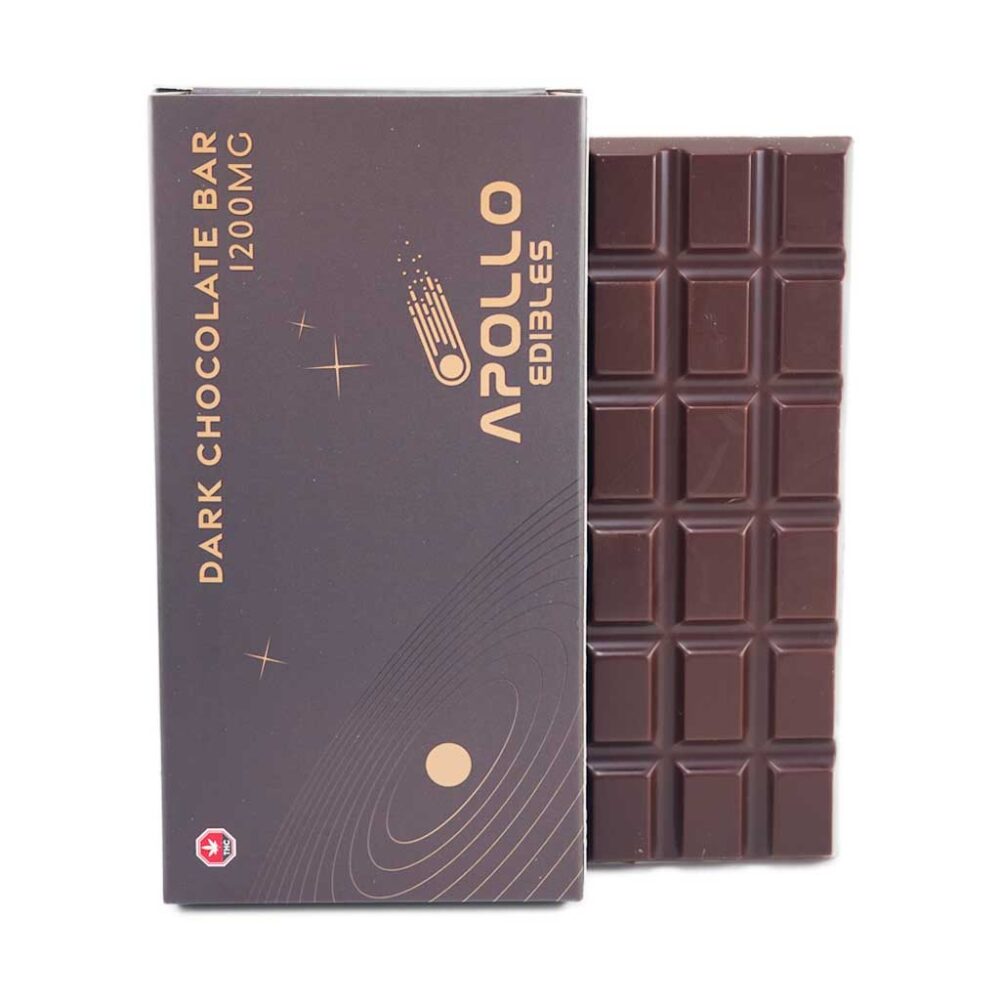
Dosing edibles is not an exact science, but it is improving. Reputable edibles brands now provide clear milligram amounts per serving. Kiva Confections, for example, makes small chocolate bites with 5 mg of THC each, which is a reasonable starting dose for someone with little tolerance. Binske offers chocolate bars with 100 mg of THC total, scored into ten pieces, so you can take a 10 mg segment. Wyld produces THC gummies with 10 mg per piece, and they also make a 2:1 CBD-to-THC option for people who want a milder psychoactive effect.
I always tell new users to begin with 2.5 to 5 mg of THC and wait at least ninety minutes before deciding whether to take more. Even if you have used cannabis before, your edible tolerance may be lower than your smoking tolerance. Keeping a journal of your doses, the product you used, and the effects you felt can help you find your sweet spot without repeated overconsumption.
Cannabis Extract and Cannabis Butter: The Building Blocks
Commercial edibles rely on cannabis extract, which is typically CO2 or ethanol-extracted oil that contains a known concentration of cannabinoids. This allows manufacturers to standardize potency. Homemade edibles often use cannabis butter, which is butter infused with decarboxylated cannabis flower. While cannabis butter can be effective, its potency varies widely depending on the starting material and infusion method. This variability makes homemade edibles riskier for medical users who need consistent doses.
Cannabis tinctures offer another option. These are alcohol-based extracts that you can add to food or drink, or take directly under the tongue. Tinctures have a faster onset than solid edibles because the alcohol helps absorption in the mouth. Some patients I work with prefer tinctures for daytime use because the effects come on more predictably.
Colorado Cannabis Edibles and Regulation
Colorado has been a testing ground for cannabis regulation, especially around edibles. The state requires that all infused products be sold in child-resistant packaging and that each piece contain no more than 10 mg of THC per serving. This limit is a safety measure, but it also forces manufacturers to make products that allow precise dosing.
Colorado cannabis edibles are often the benchmark for quality because the state's testing requirements are strict. Products must be tested for potency and contaminants, and the results are publicly available. When I recommend brands to patients, I usually start with those that operate in regulated markets like Colorado or California because their labels are more reliable.
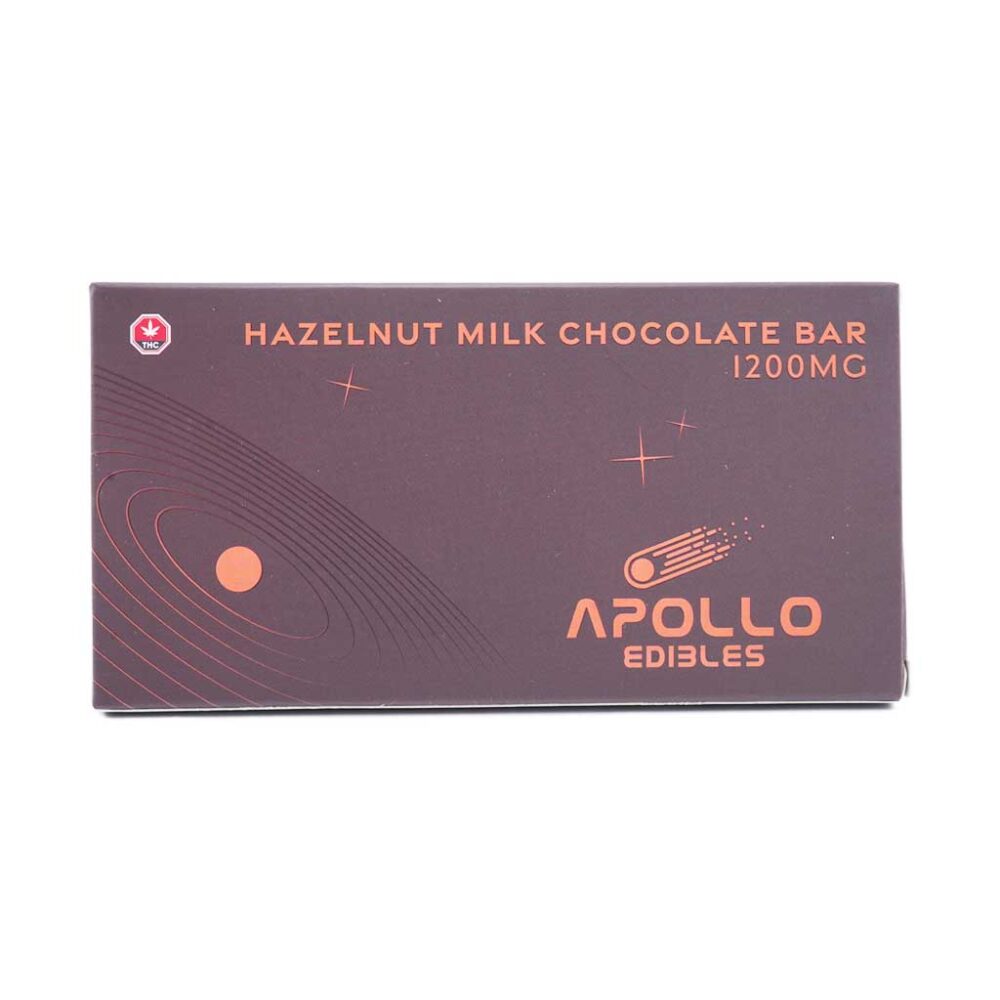
That said, regulation is not uniform across the country. In states where medical marijuana is legal but less regulated, you may find edibles with potency labels that do not match the actual content. This is one reason to buy from established edibles brands that have a reputation for accuracy. Kiva Confections and Wyld have both been around long enough that their quality control is well-documented by third-party labs.
Cannabis Recipes and Homemade Options
Some people prefer to make their own medical marijuana edibles at home. Cannabis recipes for brownies, cookies, and gummies are widely available online, but they require careful attention to the decarboxylation step. If you do not heat the cannabis long enough to convert THCA into THC, the final product will have little effect. If you overheat it, you can degrade the cannabinoids.
I have made cannabis butter at home many times, and I can tell you that the biggest variable is the flower itself. Two batches made with different strains can have very different effects, even if you follow the same recipe. For medical users who need consistent results, I recommend starting with a commercial product and only moving to homemade after you understand your tolerance and dosing preferences.
Understanding Cannabis Effects and Duration
The effects of medical marijuana edibles last longer than inhaled cannabis, typically four to eight hours depending on the dose and your metabolism. For someone with chronic pain, this extended duration can be a benefit. A single edible in the evening may provide relief through the night and into the morning. For someone using cannabis for acute symptoms, the long tail can be a drawback. You cannot quickly stop the effects once they begin.
Cannabis effects also vary by the ratio of THC to CBD. A product high in THC will produce more psychoactive effects, while one with more CBD may be more sedating and less intoxicating. Many patients I know keep both types on hand. They use a THC-dominant product for breakthrough pain and a CBD-dominant one for general anxiety or sleep.
Practical Tips for First-Time Users
- Choose a product with a clear milligram label. Start with 2.5 to 5 mg of THC.
- Eat the edible on an empty stomach for faster onset, or with a small meal to slow it down if you want a gentler rise.
- Do not take a second dose for at least ninety minutes. Set a timer if you need to.
- Store edibles in a locked container away from children and pets. Many look like regular candy or baked goods.
- Keep a note of the product name, dose, and effects so you can replicate what works.
I have seen too many people give up on medical marijuana edibles after one bad experience. They ate too much, felt awful, and decided the whole category was not for them. That is a shame because when used correctly, edibles can offer steady, long-lasting relief that smoking cannot match. The key is patience and respect for the delayed onset.
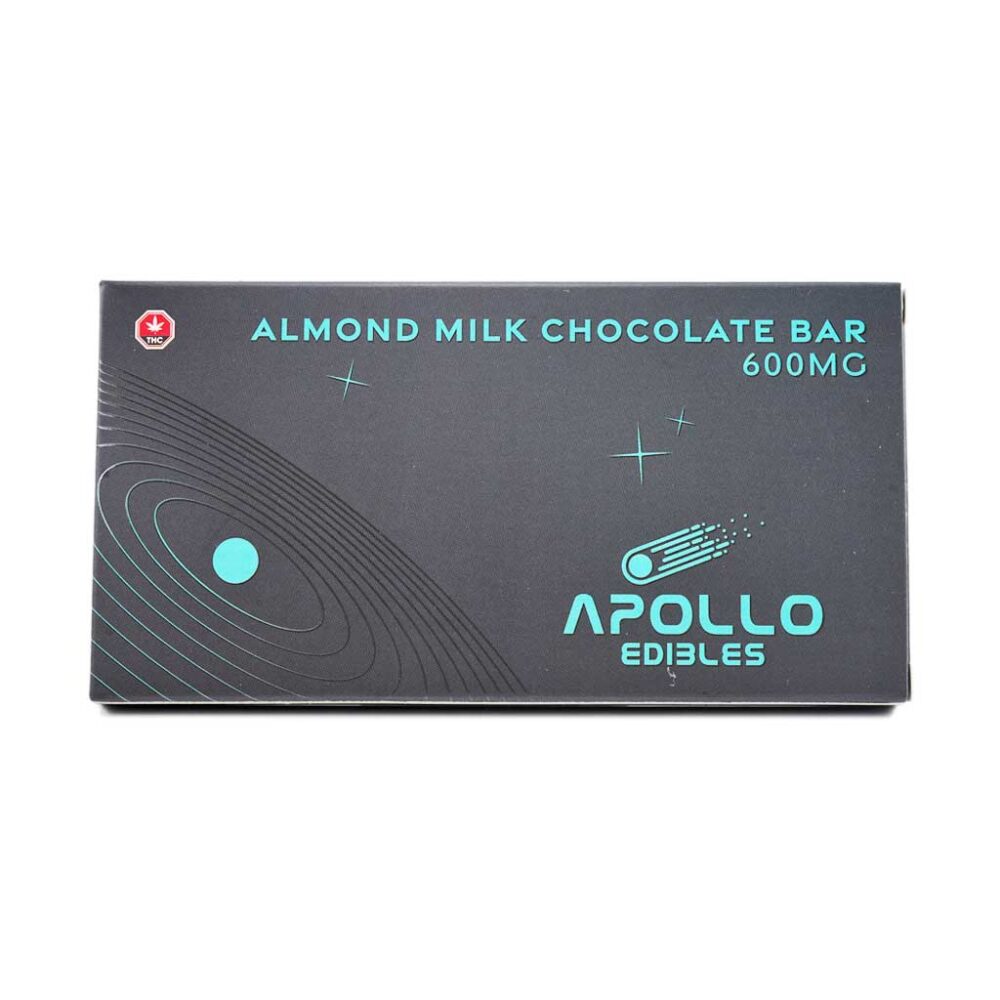
If you are new to medical marijuana edibles, I recommend starting with a low-dose THC gummy from a brand like Wyld or a small chocolate from Kiva Confections. Take it in a safe environment where you can relax and observe how your body responds. Do not drive. Do not operate machinery. Just give yourself time to feel the effects and learn what a comfortable dose feels like for you.
The market for cannabis-infused snacks and other medical marijuana edibles has grown fast, and the quality of products has improved significantly. Ten years ago, you were lucky to find an edible that listed its dose honestly. Now you can walk into a dispensary and find dozens of options with precise milligram counts, third-party test results, and clear instructions. That transparency makes it easier than ever to use edibles responsibly for medical purposes.
Corrections
Spot something wrong? Send it to the desk and it gets fixed in the open.